ETH IV Surface for Ethereum Options
The ETH IV surface is often read differently from BTC because Ethereum can carry its own skew, term structure, and relative-event pricing. This page gives that query a direct landing page and ties it back to the live ETH chain.
Focus on Ethereum expiries and strike clusters instead of a generic vol screen.
Read how IV bends across the curve and how that differs from a flat quote view.
Cross-check surface moves against liquidity, OI, and the active chain.
Definition
Why the ETH IV surface deserves its own page
Ethereum options can develop a different surface shape from Bitcoin. Traders often watch ETH for how quickly front expiries reprice, how wings behave around catalysts, and whether skew is moving with or against broader crypto positioning.
That makes the keyword worth isolating. A separate page helps search engines understand the site covers ETH-specific volatility structure, and it gives users a cleaner path into the product section where the same expiries and strikes can be inspected directly.
Use Cases
Practical ETH surface use cases
- -Compare front-end ETH volatility against the back end of the curve.
- -Check whether skew is shifting alongside changes in the active Ethereum chain.
- -Use surface shape to frame where options look relatively rich or cheap by strike.
- -Route ETH-specific search intent into the broader analytics workflow.
Platform View
How traders usually read the ETH surface
Expiry bends
Watch whether short-dated ETH IV is lifting faster than the rest of the curve or whether the entire surface is repricing together.
Skew profile
ETH often needs a closer read on relative put and call pricing, especially when the market is rotating between directional trades and event-driven setups.
Execution reality
The surface becomes more useful when it can be checked against live quotes and visible chain activity, not just a detached model view.
Screenshot
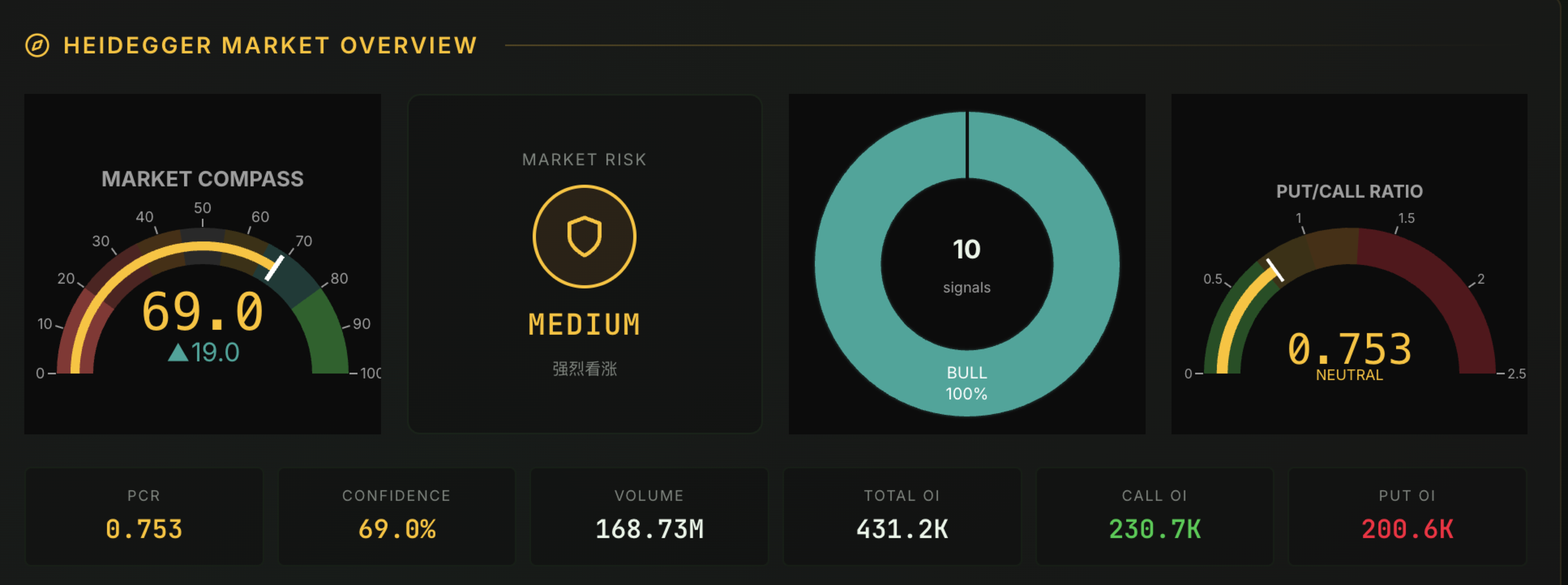
Use the market page as an ETH IV surface monitor
The current marketing-site flow already points into a live options page where traders can keep ETH strike, expiry, IV, and positioning in one read instead of bouncing between separate tools.
Data source and cadence
Public aggregated option-chain snapshots with source and row age exposed on the live market page.
Refresh cadence depends on upstream availability; each snapshot carries an observed timestamp.
Delayed or partial rows are research context only and are not execution quotes.
FAQ
Common questions
What is an ETH IV surface?
It is the implied volatility surface for Ethereum options, showing how IV changes by strike and maturity rather than at one isolated point.
Why separate ETH IV surface from BTC IV surface?
Because Ethereum options can trade with different skew and curve behavior from Bitcoin. A separate page matches that search intent and gives users a cleaner ETH-specific entry.
How does OIOption help with ETH volatility analysis?
It keeps IV, strikes, expiries, and chain context together so traders can read the ETH surface against the contracts that are actually active.
Related Pages
Keep the topic cluster connected
ETH options dashboard
The Ethereum dashboard page for interface-first search intent.
ETH open interest
The Ethereum positioning page focused on strike and expiry concentration.
Crypto options analytics
The broader analytics page connecting OI, IV, and liquidity context.
Options skew analysis
A related page focused on interpreting directional wing pricing.
Next Step
Use ETH surface searches to widen Ethereum discovery
This page is meant to rank for ETH IV surface intent and then move users into the product flow where surface shape, skew, and tradable rows can be checked together.